


How to Properly Use a Muffler Plate
- vimal wilson
- Jan 29
- 3 min read

Using a muffler plate correctly is essential for maintaining equipment performance and safety. This guide explains the steps to use a muffler plate effectively. It covers installation, maintenance, and troubleshooting. The goal is to help you work efficiently and avoid common mistakes.
Understanding the Basics of Using a Muffler Plate
A muffler plate controls exhaust flow and reduces noise in various machines. It fits between the muffler and the exhaust pipe. Proper installation ensures the system works as intended.
To start, check the muffler plate for any damage or defects. Use a clean, flat surface to install it. Align the holes on the plate with the exhaust pipe and muffler. Use the correct bolts and tighten them evenly. This prevents leaks and vibrations.
Regular inspection is important. Look for cracks, rust, or loose bolts. Replace the muffler plate if it shows signs of wear. Proper use extends the life of your equipment and keeps noise levels down.

Step-by-Step Guide to Using a Muffler Plate
Follow these steps to install and maintain a muffler plate:
Prepare the area: Clean the exhaust pipe and muffler surfaces. Remove dirt, rust, and old gasket material.
Position the muffler plate: Align it carefully with the exhaust pipe and muffler holes.
Secure the plate: Use the correct size bolts and nuts. Tighten them in a crisscross pattern to ensure even pressure.
Check for leaks: Start the engine and listen for unusual sounds. Inspect for exhaust leaks around the plate.
Routine checks: Inspect the muffler plate every few months. Tighten bolts if needed and replace the plate if damaged.
Using a muffler plate properly reduces noise and prevents exhaust leaks. It also protects other parts from heat damage.

Do mufflers reduce noise?
Yes, mufflers reduce noise by controlling exhaust gas flow. They use chambers and perforated tubes to cancel sound waves. The muffler plate plays a role by sealing the connection between the muffler and exhaust pipe. This prevents noise leaks.
Without a proper seal, exhaust noise escapes through gaps. This increases sound levels and can cause engine performance issues. A well-installed muffler plate ensures the muffler works efficiently.
Noise reduction depends on the muffler design and condition. Regular maintenance of the muffler plate and muffler keeps noise low. Replace worn parts promptly to maintain sound control.
Common Mistakes to Avoid When Using a Muffler Plate
Avoid these errors to ensure proper muffler plate use:
Using the wrong size plate: Always match the plate to your exhaust system. A wrong size causes leaks and poor fit.
Over-tightening bolts: This can warp the plate or strip threads. Tighten bolts to the manufacturer’s torque specs.
Ignoring rust and damage: Rust weakens the plate. Replace it if you see corrosion or cracks.
Skipping gasket use: Some muffler plates require a gasket for a tight seal. Don’t skip this step.
Not checking alignment: Misaligned plates cause exhaust leaks and noise.
Following proper procedures prevents costly repairs and downtime.
Tips for Maintaining Your Muffler Plate
Maintenance keeps your muffler plate in good condition. Here are some tips:
Inspect the plate every 3-6 months.
Clean the area around the plate to prevent rust.
Use anti-seize lubricant on bolts to avoid corrosion.
Replace the plate if you notice cracks or warping.
Check exhaust system alignment regularly.
Proper maintenance improves safety and equipment lifespan.
Where to Buy Quality Muffler Plates and Tools
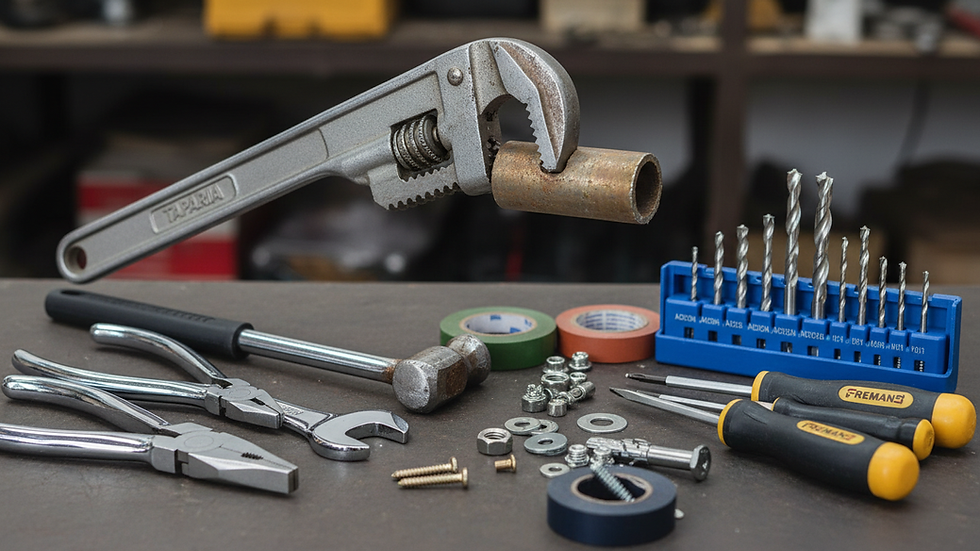
For reliable muffler plates and tools, choose trusted suppliers. KITTCO in Thrissur, Kerala, offers branded industrial tools and safety products. They stock power tools, hand tools, and automotive tools including muffler plates.
Buying from a reputable company ensures you get quality products. This reduces the risk of equipment failure and improves work efficiency.
Using a muffler plate correctly is straightforward but requires attention to detail. Follow the steps and tips in this guide to ensure your exhaust system works well. Proper installation and maintenance reduce noise, prevent leaks, and extend equipment life. For quality tools and parts, consider suppliers like KITTCO for your industrial needs.


Comments